

Hair Transplantation
PRP ( cheveux et visage)
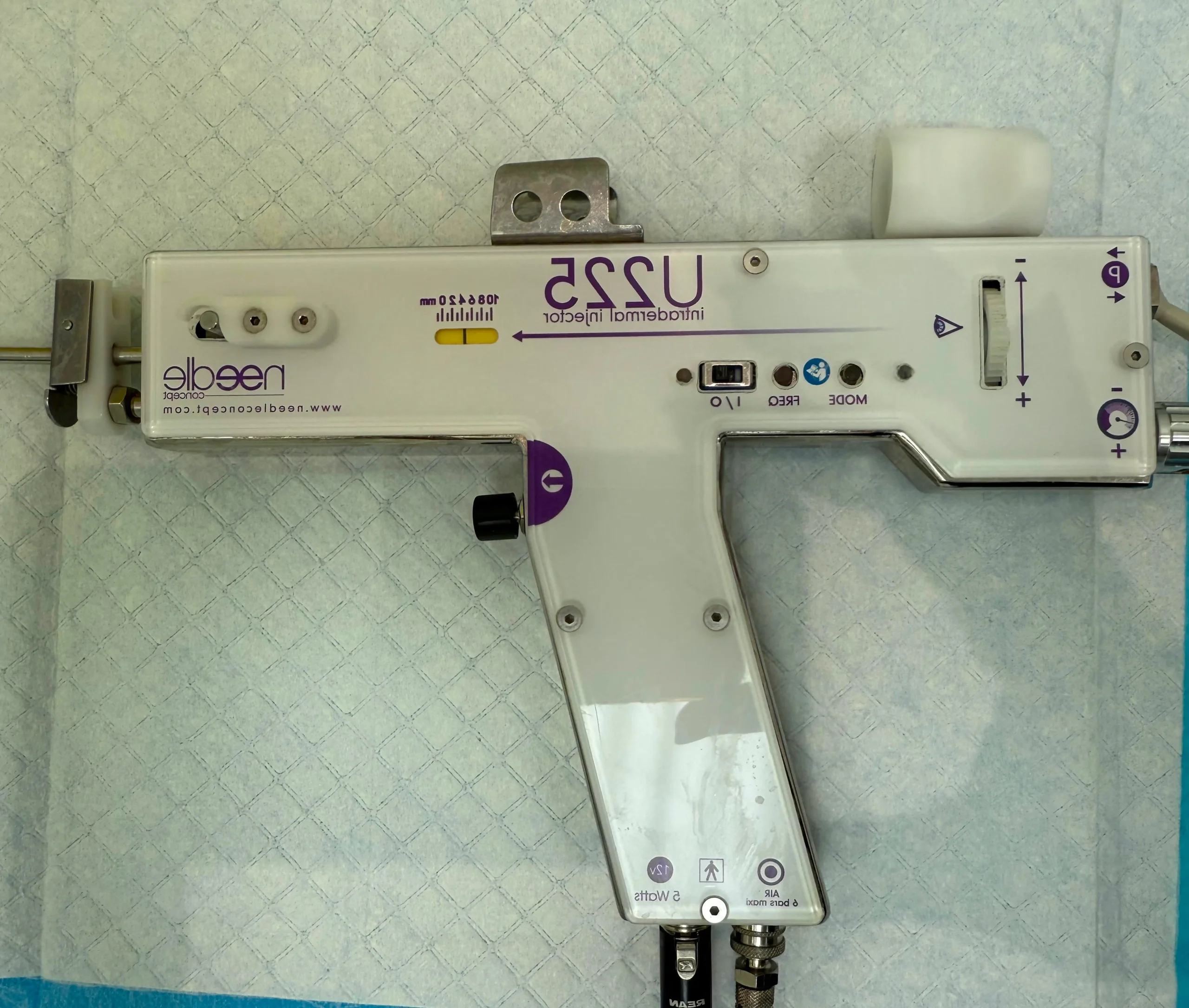
The U225 intradermal injector gun provides precise, even delivery for PRP treatments on the hair and face, enhancing comfort, effectiveness, cellular regeneration, and overall aesthetic results.
Frequently Asked Questions
Who can benefit from hair transplant surgery?
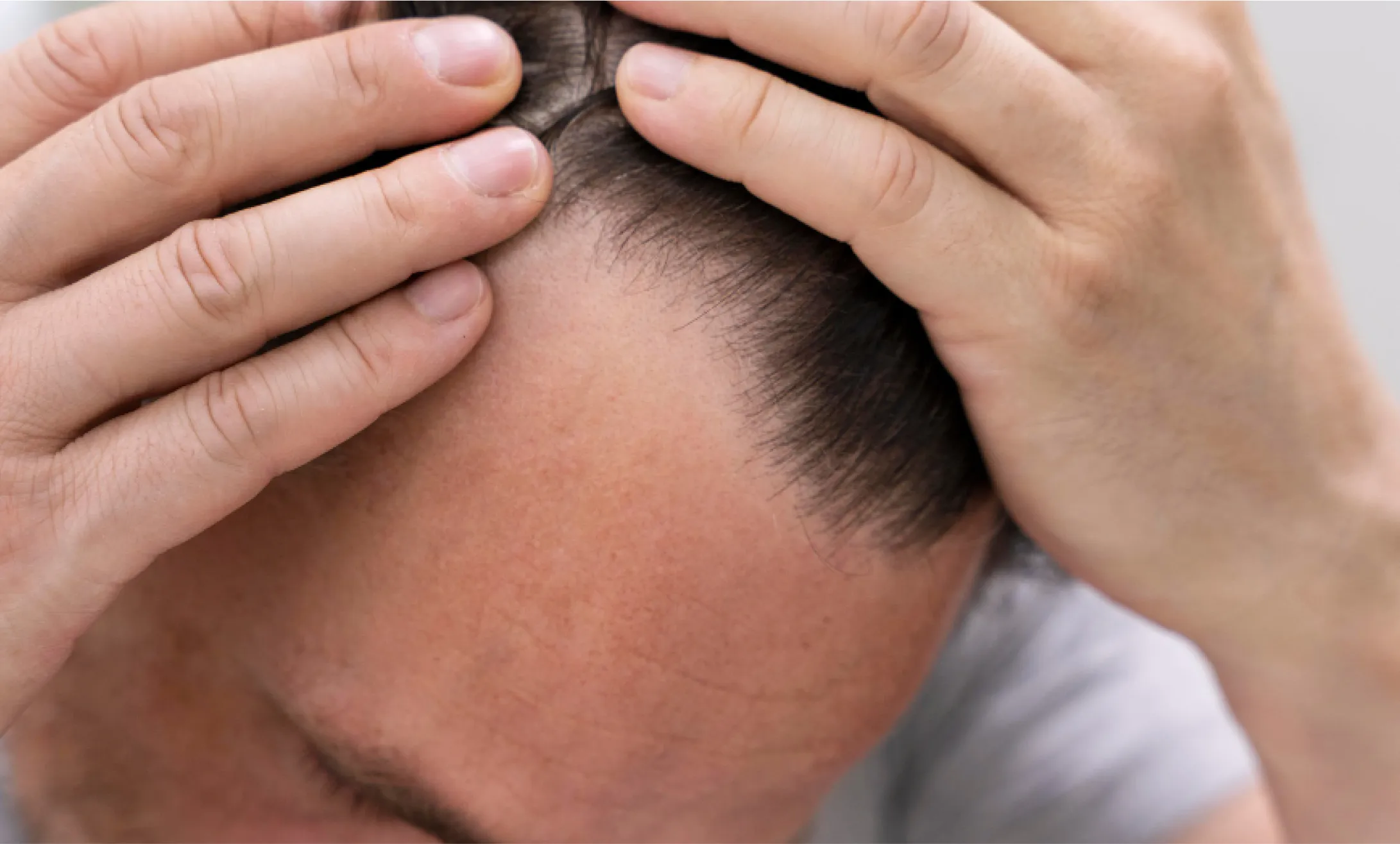
Anyone with permanent hair loss is a candidate for this procedure, particularly:
• Men with androgenetic alopecia
• Women with female-pattern hair loss
• Individuals wanting to restore or modify the hairline
• People with scars from trauma, dermatological conditions, or procedures such as a facelift
• Men and women who want hair in areas where density is low or absent.
What is Follicular Unit Excision (FUE)?
This technique consists of extracting individual follicular units from the back of the head and inserting them into tiny recipient sites, similar to the classic method. It eliminates the long linear scar from traditional surgery, replacing it with numerous tiny, almost invisible dot-like scars. FUE is usually performed manually or with motorized punches, which still require the direct participation of the physician. Its main drawback is the longer surgical time. Results depend greatly on the experience of the physician and the medical team.
How does a hair transplant procedure work?
A hair transplant is considered a minor surgery. It typically lasts 4 to 8 hours and is usually performed under local anesthesia, often with oral or IV sedation. Patients remain conscious but relaxed. Discomfort during the procedure is minimal. The donor area where grafts are taken is closed with sutures or staples, removed after 7–14 days. Recipient sites are made using tiny blades or special needles. The surgeon will explain the benefits and drawbacks of each harvesting and graft placement method. A small compression band may be applied and removed the next day. The surgeon or assistant will provide post-procedure instructions.
How long does the FUE procedure take?
FUE surgery usually takes 4 to 8 hours depending on the patient’s treatment plan. Recovery is shorter than with traditional strip surgery, and patients generally resume daily activities after 2–3 days. A follow-up visit is scheduled a few days after the procedure. Grafted hairs typically become secure after about 3 days. Small scabs form and fall off within 10–14 days.
The procedure is performed under local anesthesia, so there is no pain once the scalp is numb. Mild swelling or discomfort may occur for a few days. FUE leaves tiny, almost invisible scars, allowing patients to choose any haircut. Donor hair must be shaved to about 1 mm for accurate harvesting. The surgeon can adjust the harvesting area depending on the number of grafts required.
How do I know if I am a good candidate?
Important factors evaluated during the pre-operative consultation include overall health, hair texture, contrast between hair and scalp, density of the donor area, surface to cover, and patient expectations. This assessment and the discussion of available options should be done by a physician.
Is the treatment painful?
Only a few minutes of discomfort are felt during anesthesia of the donor and frontal areas, but the procedure is very well tolerated.
Are there any side effects?
Yes, a few temporary inconveniences such as:
• Occasional swelling of the forehead (sometimes eyelids) lasting about a week
• Small scabs from blood coagulation, falling off after ~15 days
• Temporary reduced scalp sensitivity, returning to normal in a few months
• Small subcutaneous cysts (ingrown hairs) that resolve naturally within a few weeks.
Are there any serious complications?
No, not when the procedure is performed properly by experienced professionals.
Will the hair grow back?
Yes, but patience is needed. The transplanted follicles first enter a resting phase and begin producing new hair after 3–4 months. Not all follicles restart at the same time, so growth is gradual. Final results appear 9–12 months after surgery.
Is the donor scar visible?
The linear scar from the traditional method is very thin and appears as a fine white line. It is permanent but usually well hidden by overlying hair, even when kept short.
Are special post-transplant care steps required?
Aside from a few instructions in the days following surgery, no special long-term hair care is required.
Do hair dye, perms, hats, or frequent washing worsen baldness?
These habits can weaken hair, making it dull or brittle, but they do not cause hair loss. Baldness is hereditary and genetic.
What happens after a hair transplant?
The procedure is relatively minor with little risk. Discomfort in the recipient area is minimal. Some tension may be felt in the donor area for a few days. Patients may need moist compresses and to sleep semi-upright for 2–3 days to limit swelling. Small scabs form and fall off within 7–14 days. Transplanted hairs may shed, but roots remain and begin producing new hair after 10–14 weeks. Temporary numbness usually resolves within 2–8 months.
Serious complications are rare. Mild inflammation around a graft may resolve with warm compresses. Donor scars are typically discreet. A minority of patients experience forehead swelling around day 3, resolving in a few days. Infection is rare.
When should treatment begin?
When significant hair loss is present, most physicians recommend medical therapy first. Even if surgery is chosen, medical treatments and PRP help slow ongoing hair loss. Surgery may be considered at any age after the early twenties, depending on individual factors. Most patients undergo surgery before complete baldness, improving camouflage. Because hair loss is progressive, overly young patients are usually avoided. A personalized treatment plan is always discussed with the physician.