

Need Aftercare for a Hair Transplant in Montreal?
Regaining confidence with dense hair is now possible thanks to innovative solutions such as the hair transplant in Montreal. This article explores a crucial aspect of this journey: post-operative care.
A hair transplant can be a ray of hope for those suffering from hair loss. Contrary to some misconceptions, the process is simple, and the follow-up is neither excessive nor prolonged.
Let's take a closer look at the specific care needed after a hair transplant!
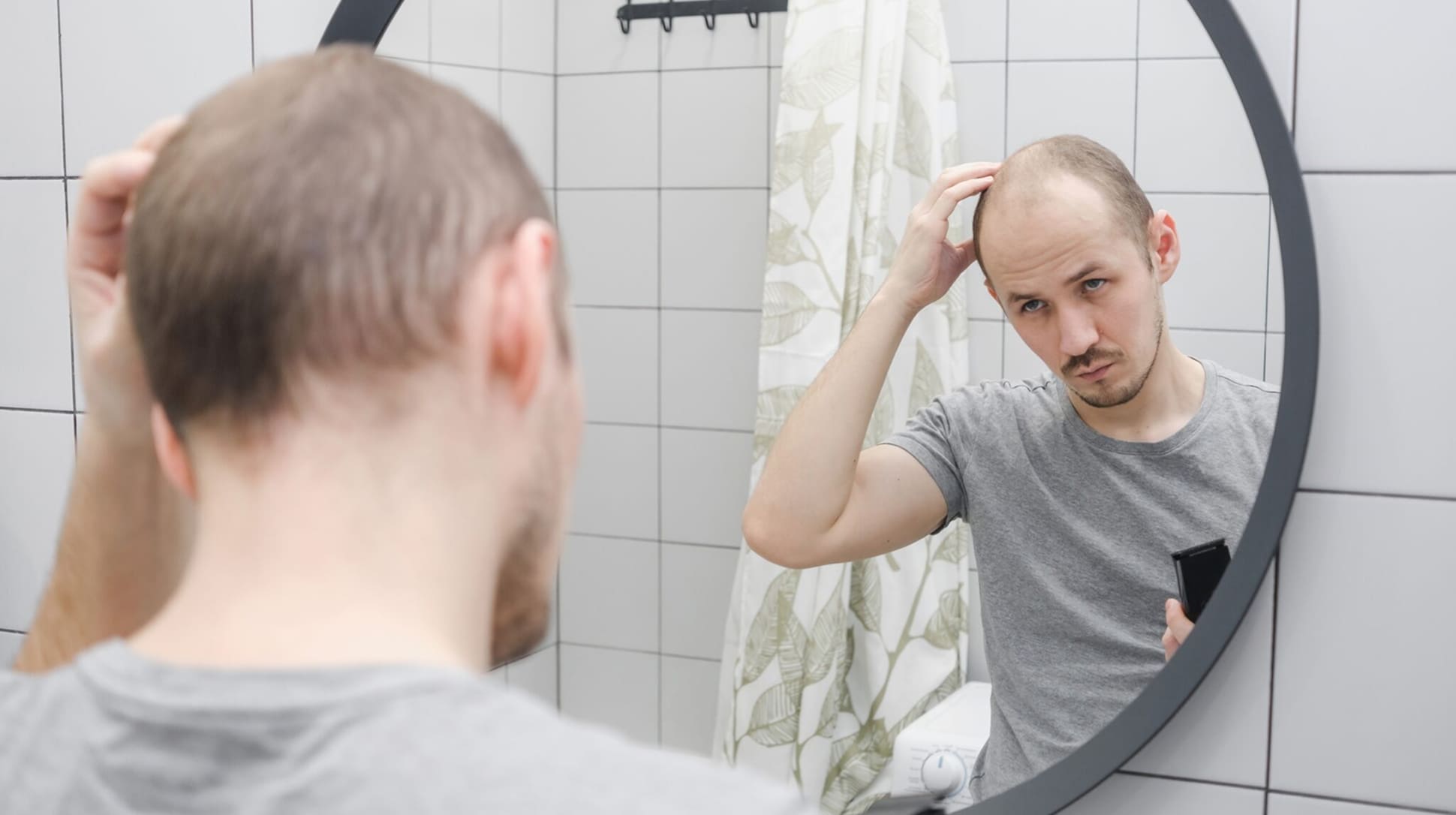
An Overview of Hair Transplant Procedures
First, it is helpful to understand what a hair transplant involves. This procedure transfers hair follicles from a "donor" area, typically at the back of the scalp, to an area experiencing baldness or thinning.
It is minimally invasive, performed under local anesthesia, and leads to natural hair regrowth in the transplanted area.
The most commonly used technique today is called Follicular Unit Extraction (FUE). This is where follicles are carefully extracted one by one from the donor area using a specialized punch tool.
The surgeon then creates tiny recipient sites to implant each follicle into the balding area. FUE results in minimal scarring compared to older transplantation techniques.
Why is Post-Operative Care Important?
Post-procedure care maximizes the success of a hair transplant and ensures that new follicles develop for healthy regrowth. Although follow-up is not complicated, following the provided instructions allows patients to enjoy fuller hair.
Proper follow-up protects the investment of time, money, and hopes that patients have placed in the hair transplant procedure. By gently caring for their scalp during the first few weeks and avoiding potential damage, patients give their new hair follicles the best chance to implant and thrive.
Simple but Vital Steps for Aftercare
Here are the key steps to follow after a hair transplant in Montreal:
- Gentle Care: Avoid touching or scratching the scalp during healing. Avoid intense exercise to limit irritating perspiration. Use pillows to elevate your head at night to minimize contact.
- Medication: Follow the doctor's instructions regarding medication to manage discomfort. This may include antibiotics to prevent infection and mild pain relievers.
- Hair Washing: Initially, hair washing is different. Use a special medicated shampoo, transitioning from gentle dabbing to normal washing over several days. Avoid harsh shampoos or scrubs.
- Sun Protection: Protect the scalp from direct sunlight to prevent damage to new grafts and facilitate healing. Wear a hat when going outside.
- Sleeping Position: Sleep with your head elevated from the start to minimize swelling. Adding an extra pillow reduces contact between the scalp and bedding.
- Nutrition: Adopt a balanced diet to promote healing. Ensure you have enough protein, iron, zinc, and B-complex vitamins. Stay hydrated by drinking plenty of water.
- Follow-up Appointments: It is important to attend scheduled follow-up visits with your surgeon to monitor progress and promptly identify any potential complications.

Let's Discuss your Needs
What to Expect During Healing after a Hair Transplant
Here is an overview of the typical healing process after a hair transplant:
- Day 1: The donor area may be slightly sore, and minor bleeding may occur.
- Day 3: Swelling around the forehead and eyes may appear. This is temporary.
- First Week: Small scabs form around the graft sites and donor area during the healing process.
- Day 10: Scabs from the procedure begin to fall off, and the scalp may be itchy.
- 2 to 3 Weeks: Most patients feel comfortable enough to resume normal activities, such as work.
- Around 3 Months: Transplanted hair begins to regrow as fine vellus hair. Overall hair shedding decreases.
- 6-9 Months: More significant hair regrowth begins and continues. New hair is initially soft and fine.
- 12 Months: Patients observe substantial regrowth with continuous thickening.
- 18-24 Months: Transplanted hair continues to thicken, and full results become visible.
Improving Hair Transplant Results
Ongoing hair care is part of life after a transplant. This involves:
- Proper Cleansing: Regular and gentle washing maintains a healthy scalp and promotes growth. Massage the scalp to stimulate blood circulation.
- Safe Styling: Avoid excessive heat and use nourishing products for the scalp and hair. Allow hair to air dry as much as possible.
- Healthy Diet: A balanced diet rich in vitamins and nutrients promotes hair health. Key nutrients include protein, iron, zinc, and B-complex vitamins.
- Scalp Massages: Gently massaging the scalp stimulates blood circulation and hair follicles.
- Stress Management: Stress reduction is beneficial for overall health and hair growth. Consider relaxation techniques such as meditation or yoga.
- Prescribed Medications: Some doctors recommend the long-term use of finasteride or minoxidil to optimize results.
Remember that hair restoration is a gradual process. Patience is essential to allow transplanted hair to grow naturally over several months, with final results visible after 9 to 12 months.
Are You Considering a Hair Transplant in Montreal?
Embarking on a hair transplant journey can seem daunting. However, under the guidance of experienced professionals like Dr. Yves Hébert, the process becomes seamless.
At DHD, our team prioritizes safety and achieving natural results to help patients achieve their desired goals. If you are considering a hair transplant in Montreal, schedule a consultation to begin your journey toward renewed confidence and healthy, natural hair.